
 2360 W 68 st. Suite 128 Hialeah, Fl 33016
 +1 786-431-5876









Bone Density Testing – DEXA Scan
Bone Density Testing at Unlimited Diagnostic Center
What is a DEXA Scan?
A DEXA Scan, also known as Dual-Energy X-ray Absorptiometry, is a specialized imaging test used to measure bone mineral density. This exam helps physicians evaluate bone strength and detect early signs of bone loss.
The test is commonly used to diagnose or assess the risk of Osteoporosis, a condition that weakens bones and increases the risk of fractures. Because it is quick, painless, and highly accurate, the DEXA scan is considered the gold standard for bone density testing.
At Unlimited Diagnostic Center, DEXA scans are performed using advanced diagnostic imaging technology to provide reliable and precise results.
Why is a DEXA Scan performed?
Doctors recommend a DEXA Scan to evaluate bone health and detect conditions that may lead to fractures or bone weakness.
This exam may be recommended to:
- Diagnose Osteoporosis
- Detect bone loss (osteopenia)
- Evaluate fracture risk
- Monitor the effectiveness of osteoporosis treatment
- Assess bone health in postmenopausal women
- Evaluate bone density in older adults
Early detection of bone loss allows physicians to recommend treatments and lifestyle changes that help prevent fractures and improve bone health.
How the DEXA Scan Procedure Works
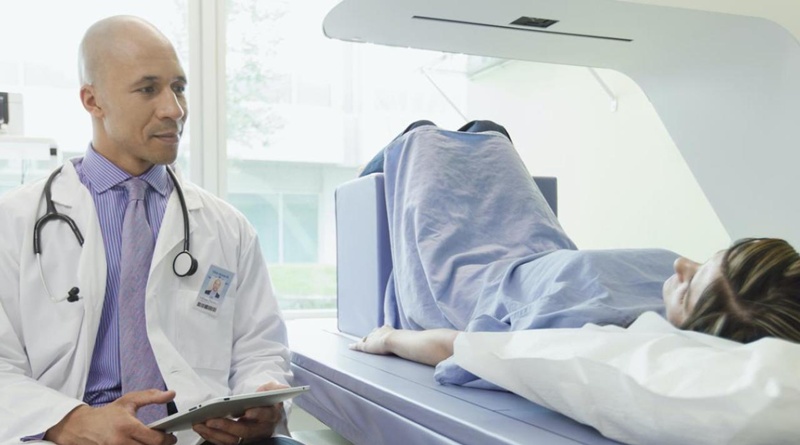
During a DEXA Scan, the patient lies comfortably on an examination table while a scanning device passes slowly over specific areas of the body, usually the hips and spine.
The scanner uses very low levels of X-ray energy to measure the density of the bones. These measurements help determine whether bone density is normal or reduced.
The exam typically takes 10 to 20 minutes, and it is completely painless. Because the radiation exposure is extremely low, it is considered a very safe diagnostic test. At Unlimited Diagnostic Center, the procedure is performed by experienced imaging professionals who focus on accuracy and patient comfort.
Benefits of a DEXA Scan
A DEXA Scan offers several important advantages when evaluating bone health.
Some of the key benefits include:
- Accurate measurement of bone density
- Early detection of osteoporosis
- Quick and painless procedure
- Minimal radiation exposure
- Helps prevent fractures through early diagnosis
- Useful for monitoring bone health over time
Because of these benefits, the DEXA scan plays a crucial role in maintaining long-term bone health.
Who Should Get a DEXA Scan?
A DEXA Scan may be recommended for individuals who have a higher risk of developing bone density problems.
Common candidates include:
- Women over age 50
- Postmenopausal women
- Adults with a family history of osteoporosis
- Individuals who have experienced fractures after minor injuries
- Patients taking medications that affect bone density
- Adults with certain medical conditions that weaken bones
Regular screening can help detect bone loss early and allow physicians to provide appropriate treatment.